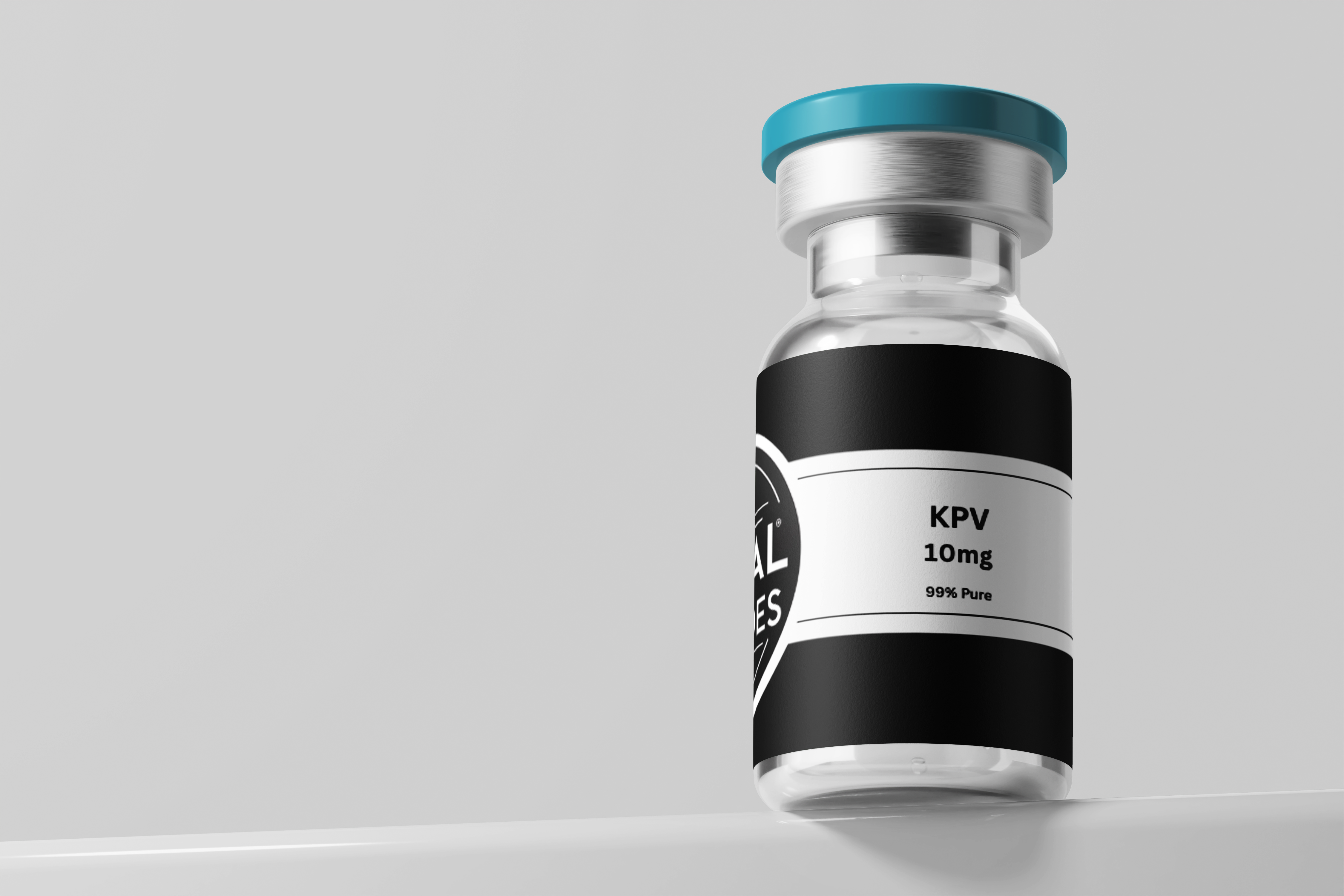
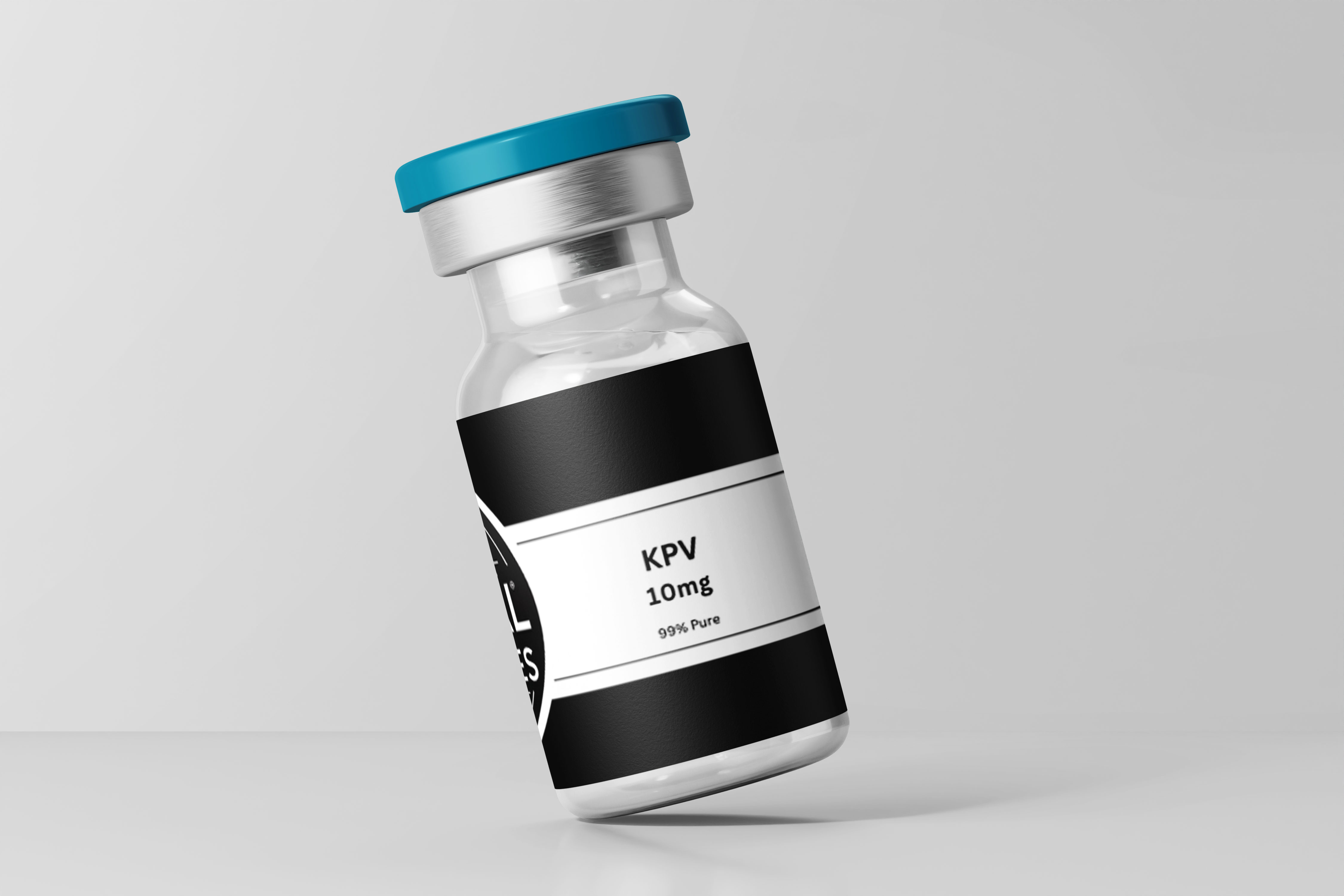
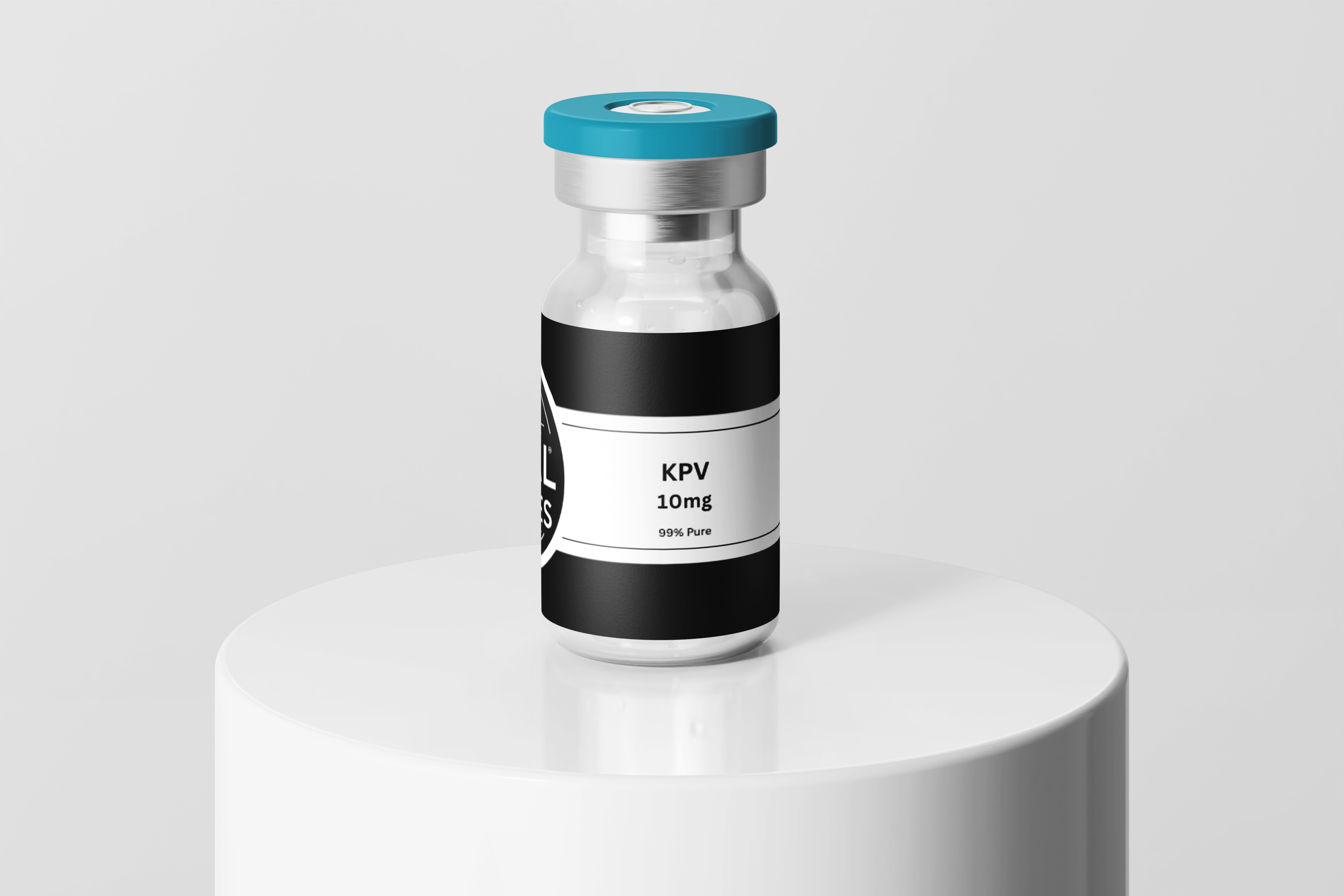
KPV (Lysine–Proline–Valine) is a short tripeptide naturally derived from the C-terminal end of the alpha-melanocyte-stimulating hormone (α-MSH). It’s been studied primarily for its anti-inflammatory, antimicrobial, and skin-healing properties, and is gaining interest in peptide research circles for several potential applications.
Here’s a breakdown of the main research-supported benefits:
1. Anti-Inflammatory Properties
- KPV is known to reduce inflammation by inhibiting pro-inflammatory cytokines such as TNF-α, IL-6, and IL-1β.
- It has shown potential in gut inflammation models, including colitis and inflammatory bowel disease (IBD).
- Because of its small size and stability, it may be more bioavailable and easily absorbed through the skin or intestinal lining.
2. Supports Gut Health
- Studies suggest that KPV may help restore intestinal barrier integrity by reducing inflammation and oxidative stress in gut tissue.
- It’s been explored for potential benefits in ulcerative colitis, Crohn’s disease, and leaky gut research models.
3. Promotes Wound Healing
- KPV can help reduce redness, swelling, and irritation when applied topically.
- Research shows it may accelerate tissue regeneration and reduce inflammatory responses in wounds or skin conditions like dermatitis.
4. Skin Health & Cosmetic Potential
- KPV’s anti-inflammatory and antimicrobial effects make it a promising ingredient for acne, rosacea, and eczema research.
- It may help calm inflamed or sensitive skin while supporting healthy tissue repair.
- Some researchers are exploring it for post-procedure recovery (e.g., after microneedling or laser treatments).
5. Antimicrobial Activity
- KPV has demonstrated the ability to inhibit bacterial growth, including Staphylococcus aureus, making it potentially useful in protecting against skin infections or promoting cleaner wound healing environments.
6. Mechanism Summary
KPV works mainly through:
- NF-κB inhibition → lowers inflammation signaling.
- Immune modulation → reduces overactive immune response.
- Barrier protection → strengthens epithelial and mucosal layers.
For Research Use Only:
While these benefits are promising, KPV is not FDA-approved for human use and is typically sold for laboratory research purposes only.

Reviews
There are no reviews yet.