
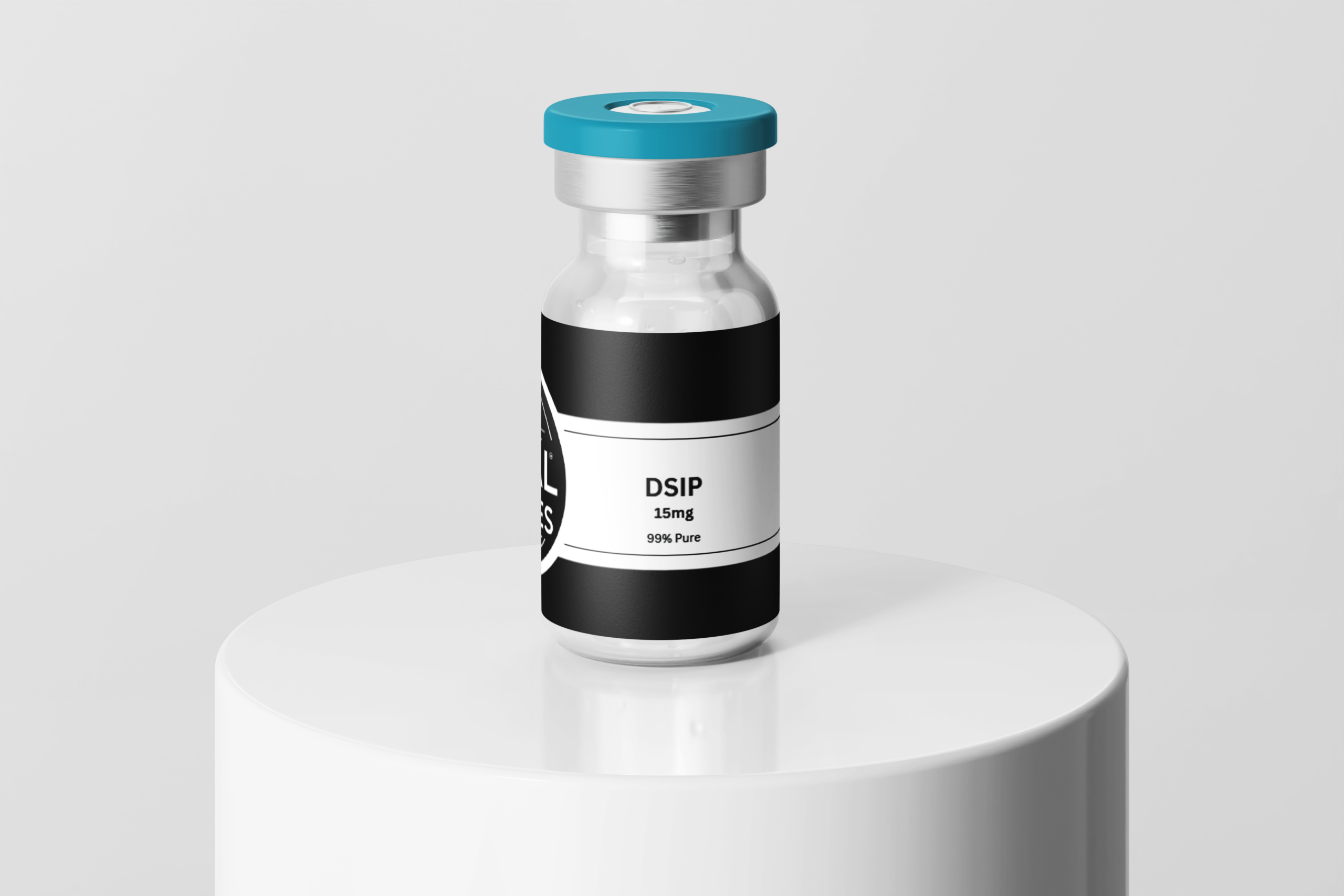


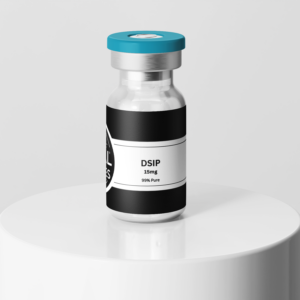
Delta Sleep-Inducing Peptide (DSIP) — 15 mg
For Research Use Only
Overview
Delta Sleep-Inducing Peptide (DSIP) is a naturally occurring neuropeptide that has been studied for its potential role in sleep regulation, stress modulation, and neuroendocrine signaling. Originally identified in the blood of sleeping animals, DSIP has since been the subject of ongoing laboratory and preclinical research.
DSIP 15 mg refers to a synthetic form of this peptide supplied for research and laboratory applications only.
What Is DSIP?
DSIP is a short peptide composed of nine amino acids. It is endogenously present in mammals and has been investigated for its interactions with central nervous system pathways involved in circadian rhythm, stress response, and restorative sleep phases.
Research has primarily focused on DSIP’s relationship with slow-wave (delta) sleep and its broader effects on neurochemical balance.
Research Focus Areas
Scientific studies have explored DSIP in the following areas:
Sleep & Circadian Rhythm
-
Investigated for its association with increased slow-wave (delta) sleep activity
-
Studied for effects on sleep latency and sleep efficiency in experimental models
Stress & Neuroendocrine Activity
-
Examined for interactions with stress-related hormones such as cortisol
-
Studied for potential influence on neurotransmitters involved in relaxation and arousal
Neurological & Behavioral Research
-
Evaluated in models related to mood regulation and cognitive stress response
-
Investigated for possible neuroprotective and antioxidant properties
Additional Research Areas
-
Pain modulation (preliminary studies)
-
Withdrawal and dependency research models
-
Aging and oxidative stress pathways (animal studies)
Note: Research findings vary, and results observed in laboratory or animal studies may not translate to human outcomes.
Reviews
There are no reviews yet.